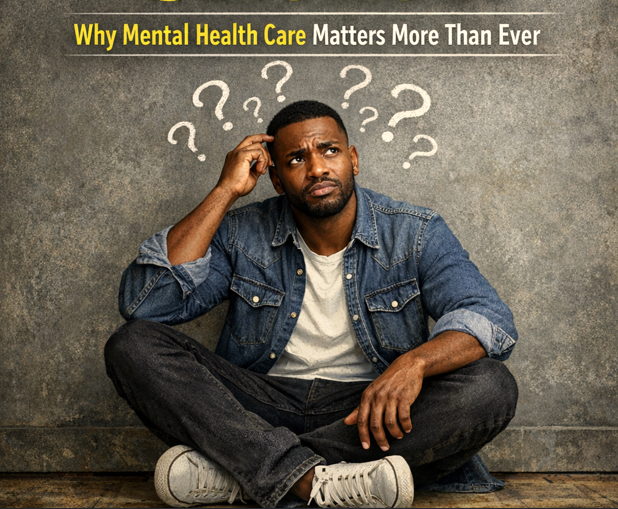
In times of crisis, the most visible wounds are often physical—homes destroyed, livelihoods lost, communities displaced. But beneath the surface lies another kind of suffering that is quieter, less visible, and too often overlooked: the toll on mental health.
For organizations dedicated to rescue and relief, addressing immediate physical needs will always be a priority. Yet today, more than ever, it is clear that true recovery goes beyond food, shelter, and medical aid. It must also include mental health care.
The Hidden Impact of Crisis
Whether caused by conflict, natural disasters, or economic hardship, emergencies disrupt more than daily routines—they shake people’s sense of safety, identity, and hope. Survivors may experience anxiety, depression, grief, or trauma long after the initial event has passed.
Children may struggle to sleep or return to school. Parents may feel overwhelmed and unable to provide emotional support. Frontline responders themselves often carry the weight of what they witness.
These are not signs of weakness—they are natural human responses to extraordinary stress.
Why Mental Health Care Cannot Wait
For too long, mental health has been treated as secondary in humanitarian response. But ignoring it can have lasting consequences:
- Delayed recovery: Emotional distress can make it harder for individuals to rebuild their lives.
- Strained communities: Unaddressed trauma can lead to conflict, isolation, and breakdown of social support systems.
- Long-term health risks: Mental health challenges often contribute to physical illness and reduced overall well-being.
Providing mental health support early helps individuals regain stability, resilience, and a sense of control over their lives.
Breaking the Stigma
One of the biggest barriers to mental health care is silence. In many communities, people are discouraged from speaking openly about emotional struggles. Fear of judgment or misunderstanding keeps many from seeking help.
As a rescue relief agency, we have a responsibility not only to provide services but also to foster safe spaces where people feel heard, respected, and supported.
Breaking the silence starts with simple actions:
- Listening without judgment
- Encouraging open conversations
- Normalizing the need for help
When people know they are not alone, healing can begin.
Integrating Mental Health into Relief Efforts
Mental health care does not always require complex interventions. Small, intentional steps can make a meaningful difference:
- Psychological first aid: Offering comfort, reassurance, and practical support in the immediate aftermath of a crisis
- Community support groups: Creating spaces for shared experiences and mutual encouragement
- Training local leaders: Empowering communities to recognize and respond to mental health needs
- Referral systems: Connecting individuals with professional care when needed
By embedding these practices into relief programs, we strengthen not only individuals but entire communities.
A Call to Compassionate Action
At its core, mental health care is about dignity. It is about recognizing that every person deserves not just to survive, but to heal and thrive.
As we continue our mission in rescue and relief, let us commit to seeing the whole person—not just their immediate needs, but their emotional and psychological well-being. Let us speak openly, listen deeply, and act compassionately.
Because when we break the silence around mental health, we don’t just change individual lives—we transform communities.
And now, more than ever, that matters.